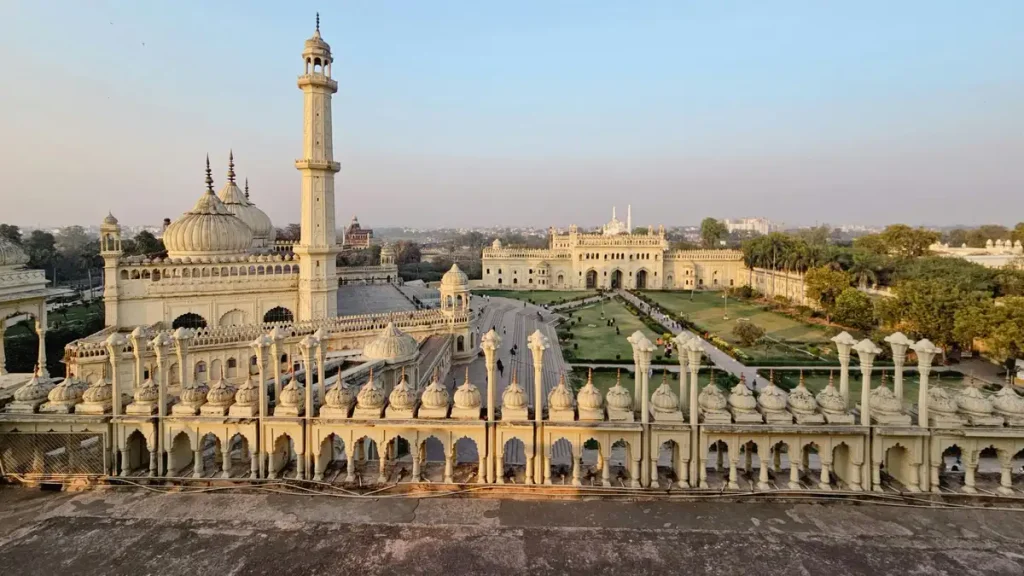
Some places become a part of you long before you realise it. For me, that place will always be Lucknow.
I was born there, spent the first nineteen years of my life there, went to school there, made some of my earliest friendships there, celebrated birthdays and festivals there, and experienced all those ordinary little moments that quietly shape a person. When you are growing up, you rarely stop to appreciate the city around you. You are too busy thinking about homework, holidays, friends, birthdays, college, and the exciting life you imagine waiting somewhere beyond your hometown. You don’t realise that the road you take to school every morning, the park where you spent your evenings, the shop where your family occasionally bought snacks, or the familiar voice of a street vendor passing your house might one day become memories you would give anything to experience again. Lucknow, for me, is not simply a city known for its history, architecture, Awadhi culture, or food. It is the backdrop against which the first nineteen chapters of my life unfolded. It is where I learned what friendship felt like, what family meant, what celebrations looked like, and what it felt like to belong somewhere without having to think about belonging. Years later, after leaving and experiencing life in different places, I understand something I couldn’t have understood as a child: home is often made up of ordinary moments that become extraordinary only after we leave them behind.
Childhood in Lucknow: When Life Felt Simpler
When I think about my childhood in Lucknow, I don’t remember it as a series of grand adventures. I remember small things, and somehow those small things feel much bigger now. I remember school mornings, getting ready while the day had barely begun, putting books into my schoolbag, checking whether I had everything I needed, and leaving home knowing exactly what the day ahead would look like. There was something reassuring about that predictability. School was such a huge part of childhood that it almost felt like a second home. We had our classrooms, teachers, friends, lunch breaks, assemblies, annual functions, exams, holidays and endless conversations about things that seemed extremely important at the time. Then there were the afternoons after school, when coming home meant changing out of the uniform, eating something, resting for a while and finally feeling free from the day’s responsibilities. Looking back, I realise how uncomplicated life felt. We were always waiting for something—the next birthday, the next holiday, the next festival, summer vacation or the day we would finally grow up. And yet, those days we wanted to rush through were quietly becoming some of the memories we would later treasure most. Childhood has a strange way of hiding its beauty from us while we are living it. You think you are simply going through another Monday, another school day or another ordinary evening. Years later, that exact Monday may become a tiny photograph in your mind that you would love to step back into for just five minutes.
School Mornings, Lunch Breaks and Friends
School memories are probably among the strongest memories I associate with growing up in Lucknow because school wasn’t only about studies. It was where so much of my social world existed. There were friendships that began over shared benches, conversations during lunch breaks, silly jokes that only made sense to us, and those little moments of excitement whenever a teacher was absent or a class ended earlier than expected. Lunch breaks had their own kind of magic. Everyone suddenly became more energetic, opening lunch boxes, sharing food, comparing what everyone had brought from home and talking about whatever had happened that morning. Sometimes the food in someone else’s lunch box somehow seemed more interesting than the food in our own, even if it was almost exactly the same thing. Then came the friendships that extended beyond school hours. We would meet after classes, attend common coaching classes, walk around together, visit a nearby park, or simply spend time talking before heading home. At that age, you didn’t need expensive plans or carefully organised outings. A walk with friends was enough. Sitting somewhere and talking about school, teachers, crushes, exams, family, future plans or completely meaningless things could turn an ordinary afternoon into a memorable one. These are the experiences I now realise were shaping my understanding of friendship. They taught me that companionship doesn’t always require a special occasion. Sometimes, the best memories are created when nobody is trying to create a memory at all.
The Little Routines We Never Thought We Would Miss
Growing up gives you a strange relationship with routine. As children, routines can feel boring because we are constantly looking for something new. We want new places, new experiences and more freedom. We don’t understand that familiarity has its own kind of comfort. In Lucknow, my routines became connected to specific places, people and times of the day. Going to school, returning home, meeting friends, attending coaching classes, taking walks, visiting markets or parks, spending evenings with family—these things repeated themselves so often that I barely noticed them. There was no reason to take a photograph of an ordinary afternoon because I assumed there would always be another one. That assumption is one of the biggest differences between childhood and adulthood.
As adults, we understand that circumstances change. Friends move away. Families become busier. People leave for college or jobs. Streets change, shops close, neighbourhoods develop, and the version of a city that exists in your memory slowly becomes different from the physical city that exists today. Yet memory preserves its own version of home. I can still picture certain routes and imagine how they felt when I was younger. I can remember the excitement of meeting friends after class and the comfort of returning home afterward. Those routines weren’t extraordinary, but they gave childhood its rhythm. They were the invisible threads holding everyday life together, and I think that is why they feel so nostalgic now.
The Familiar Streets That Still Feel Like Mine
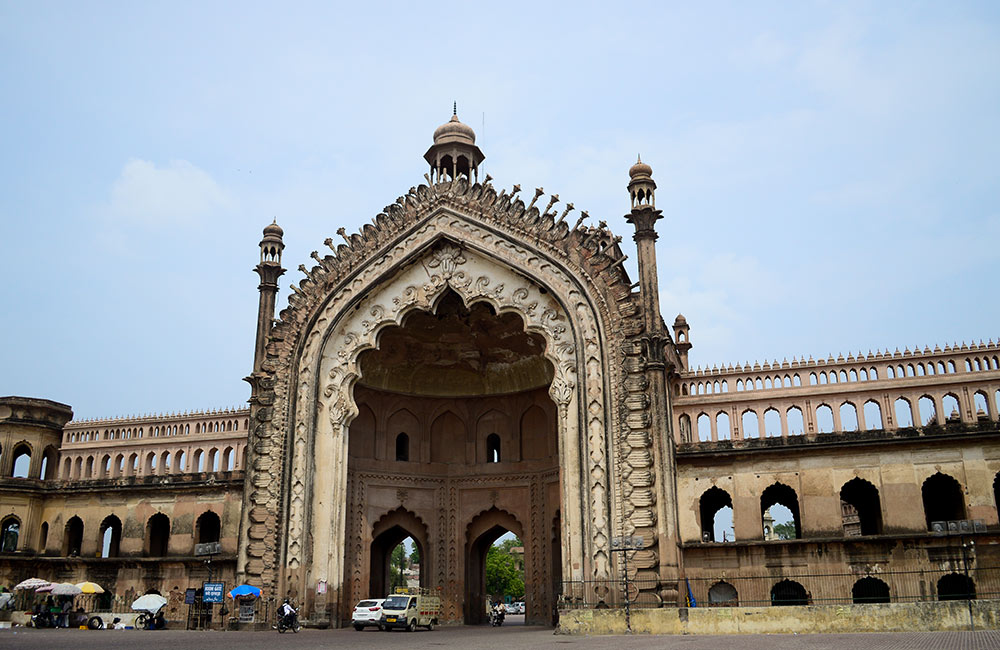
One of the most beautiful things about growing up in a city is developing a personal map of it. There is the official map, with roads, neighbourhoods, markets and landmarks, and then there is the map that exists only inside your head. My Lucknow has always been that second kind of map. It contains the roads I knew from childhood, the routes connected to school, places where I met friends, markets my family visited, parks where I spent time, and streets that may look completely ordinary to someone else but carry years of memories for me. Lucknow itself has plenty of landmarks that people immediately associate with the city, from Bara Imambara and Rumi Darwaza to Hazratganj and the historic old-city areas.
The city’s heritage is deeply connected to its Awadhi history, and official tourism material continues to highlight its architecture, markets and food culture. But my relationship with Lucknow was never really about seeing it as a tourist would. I didn’t wake up thinking about monuments or wondering what visitors might find beautiful. I was simply living there. That’s what makes hometown memories so personal. A road doesn’t have to be famous to matter. A neighbourhood doesn’t have to appear on a travel itinerary to be meaningful. Sometimes, a particular turn on a road, an old shop, or even the view from a familiar route can carry more emotional weight than a famous monument because it belongs to your own story.
Markets, Parks and Everyday Lucknow
Some of my favourite memories of Lucknow are connected to the ordinary places that made up everyday life. Markets were never just markets; they were part of family outings, errands and spontaneous plans. Parks were not simply green spaces; they were places where children could run around, friends could walk and conversations could continue after classes. Coaching classes, too, became part of teenage life. There was something almost funny about how seriously we took them at the time. We would attend classes because we were supposed to study, but the journey before and after class could sometimes become more memorable than the class itself. Walking with friends, stopping somewhere for food, discussing what happened that day, or simply delaying the moment when everyone had to go home made those ordinary evenings feel special.
Lucknow has a rhythm that becomes easier to understand when you have lived there for years. It is not only about the grand history of the city but also about everyday social life—the conversations, the food, the markets, the chai, the evening walks and the way people occupy public spaces. Even the famous places become different when you know them through personal memories. Hazratganj, for example, is not merely a shopping and dining destination in my mind. It is connected to the feeling of going out, walking around, eating something, meeting people and enjoying an ordinary day. That is the Lucknow I carry with me: not a postcard, but a collection of familiar places filled with personal meaning.
The Taste of Home: Why Lucknow Food Feels Different
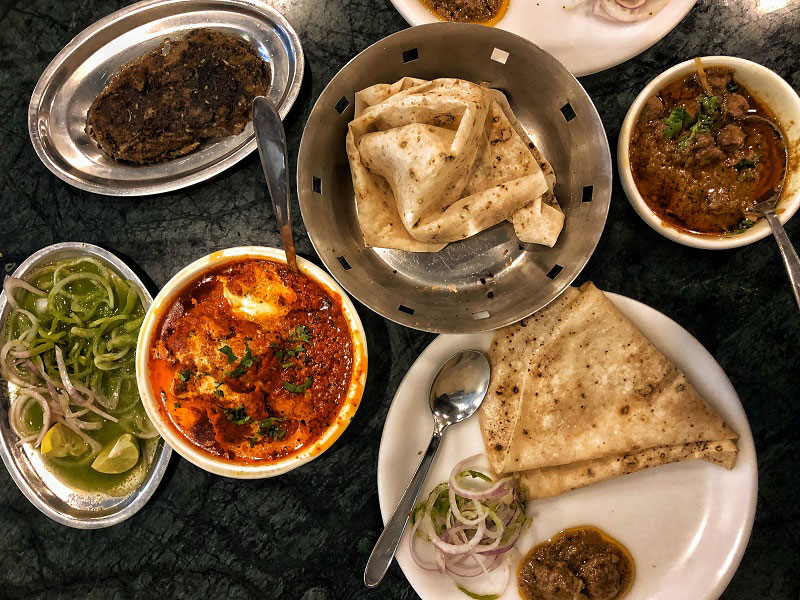
If there is one thing that can instantly transport me back to Lucknow, it is food. I have travelled, lived in other cities, tried different cuisines and discovered plenty of delicious places, but somehow Lucknow’s food still feels like a category of its own. The city is internationally recognised for its Awadhi culinary heritage, with kebabs, biryani, breads, chaat and other traditional foods forming a major part of its identity. Official tourism material describes food trails through places such as Chowk and Aminabad, while other food guides continue to highlight the city’s long-standing street-food culture. But for me, the emotional connection goes beyond what a food guide can explain.
Kebabs, lassi, chole bhature, pani puri, chaat and chai are not just dishes or drinks. They are attached to memories of being with family, going out with friends, stopping somewhere after classes, satisfying a sudden craving, or simply enjoying the fact that food in Lucknow always seemed to be part of the experience of being outside. I sometimes think food is one of the strongest forms of nostalgia because taste bypasses so much explanation. You don’t need to describe why something matters. One bite can take you back. A familiar spice, a particular chutney, the sweetness of lassi or the flavour of a kebab can suddenly make another city feel very far away. And after living away from Lucknow, I realised that I don’t simply miss Lucknow’s food. I miss the version of myself who ate that food there.


Kebabs, Chaat and Street Food Memories
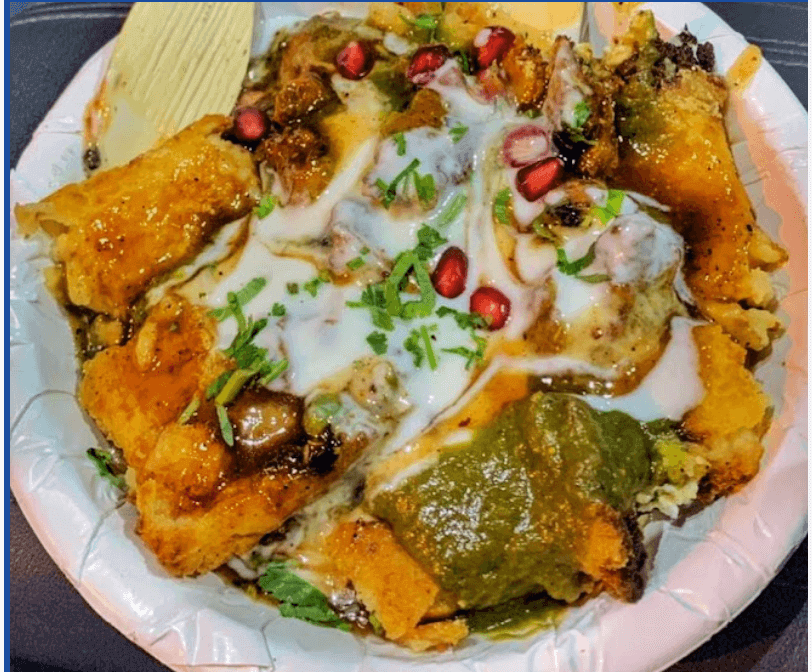
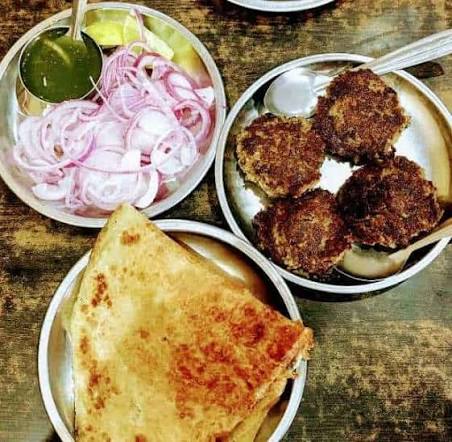
Lucknow’s relationship with food is impossible to separate from its street culture. The city has a particularly strong reputation for kebabs and chaat, and its historic markets have long been associated with food traditions. For me, though, kebabs were never just something tourists were supposed to try. They were part of the food culture I grew up around. There is something special about the softness of a good kebab, the spices, the aroma and the feeling of eating something that is so deeply associated with the city. Then there is chaat—the kind of food that makes an outing feel incomplete if you don’t have it. The combination of spicy, tangy, sweet and crunchy flavours is almost designed to create cravings.
Lucknow’s street-food culture includes many varieties of chaat and snacks, and food writers have described chaat as something people often enjoy as part of an evening outing or shopping trip. That description feels familiar to me because food and going out were often connected. You don’t always need a restaurant reservation or a big plan. Sometimes you simply go out, walk around, eat something, talk, laugh and come back home. That is one of the things I miss most: the ease with which food could become part of an ordinary day. You could be hungry, meet a friend, see something tempting, and suddenly the day had acquired a small highlight. Those moments may have seemed insignificant then, but today they feel like pieces of home.
Chole Bhature, Pani Puri and Lassi
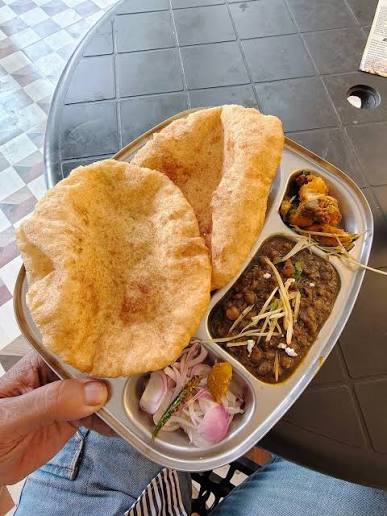
Then come the foods that might not be uniquely Lucknowi in origin but still feel completely connected to my memories of growing up there: chole bhature, pani puri and lassi. This is one of the things I love about a city like Lucknow. Its food identity is not limited to one formal culinary tradition. It is also built through everyday cravings, street stalls, family favourites and the foods people simply enjoy eating. Chole bhature is the kind of food that can turn hunger into happiness almost instantly. Pani puri is a completely different experience—the anticipation, the crispy shell, the spicy water, the chutney and the inevitable decision to have just one more. And then there is lassi, especially on a warm day, when a cold, thick glass feels like exactly what you needed. These foods are not necessarily associated with grand occasions.
In fact, their charm comes from how ordinary they can be. They belong to evenings out, casual plans, post-coaching walks, family errands and spontaneous food stops. I think that is why they have stayed with me. The food I miss most is not always the most sophisticated food I have ever eaten. It is often the food attached to a particular period of my life. The best food in the world, at least emotionally, is sometimes the food that tastes like where you came from.
Sharma Ji Ki Chai and the Comfort of Chai
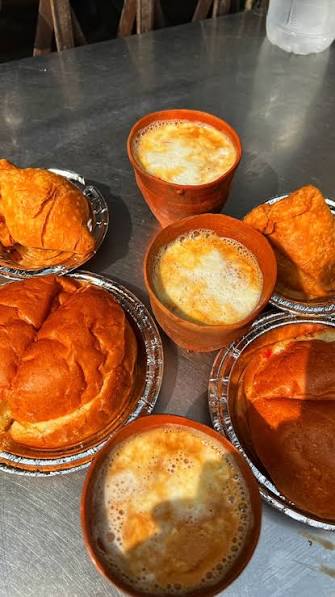
And then there is Sharma Ji Ki Chai—a name that immediately brings Lucknow nostalgia into my mind. Sharma Ji Ki Chai has been part of Lucknow’s tea culture for decades, and contemporary listings still associate it with chai, bun makkhan and snacks such as samosas. What I love about the idea of Sharma Ji Ki Chai is that it represents something larger than tea. Chai in India is rarely just a beverage. It is a pause. It is a conversation starter, an excuse to meet someone, a companion during an evening walk and sometimes the simplest way to make an ordinary day feel better. A cup of chai can mark the beginning of a conversation or the end of a long outing. Sharma Ji Ki Chai has become particularly associated with Lucknow’s everyday food culture, with current local coverage still describing it as an iconic tea spot and highlighting combinations such as tea with bun-makkhan and its distinctive samosas.
For me, that kind of place represents the Lucknow I remember most fondly: a city where you could make a small outing around food without needing a major reason. You could simply say, “Let’s go have chai,” and somehow that was enough of a plan. Years later, the idea of sitting down with a familiar cup of chai carries a strange emotional comfort. It reminds me that happiness doesn’t always arrive as a huge event. Sometimes, it comes in a small cup held between your hands.
Family Traditions and the Comfort of Being Home
If food represents one side of home, family represents the other. Growing up in Lucknow meant being surrounded by the familiar rhythm of family life—the conversations, routines, celebrations, small arguments, shared meals, birthdays and everyday moments that I didn’t realise I would miss one day. When you live with your family as a child, you don’t think of ordinary interactions as special. Someone asking how your day went, sitting together during a meal, talking about something that happened at school, hearing familiar voices around the house or simply being in the same room can feel completely normal. It is only after moving away that these things acquire a different meaning.
Independence teaches you how capable you can be, but distance teaches you how much comfort there was in not having to do everything alone. A family celebration feels different when you have to coordinate schedules and travel to be together. A festival feels different when you are away from the people who made it feel familiar throughout childhood. Even a simple evening at home can become something you miss. I think that is one of adulthood’s quieter lessons: we spend so much of childhood wanting freedom, only to later understand that there was freedom in being cared for too. Home gave me a space where I didn’t always need to explain myself. I could simply exist. And that kind of comfort is difficult to recreate elsewhere.
Festivals, Birthdays and Ordinary Family Days
Festivals and birthdays have a way of making memories brighter because they break the normal rhythm of life. Growing up, celebrations meant food, preparation, new clothes, family conversations, excitement and the feeling that something different was happening. But when I look back now, I realise that the celebration itself wasn’t always the most important part. It was the people around it. The preparation before a festival, the conversations at home, the anticipation, the meals, the laughter and the familiar traditions all created a feeling of togetherness. Birthdays had a similar quality. As children, we think birthdays are about gifts, cakes and being the centre of attention. As adults, we often remember something completely different—the people who were there, the little rituals, the family atmosphere and the feeling of being celebrated by people who had known us for years. This is perhaps why hometown memories become more emotional as we grow older. We are not only remembering places; we are remembering versions of people. We remember parents when they were younger, friends before life took everyone in different directions, relatives who may now live elsewhere, and ourselves before responsibilities changed the way we experienced the world. Lucknow holds many of those versions of my life. It is almost like an old family album, except the photographs are streets, foods, voices, celebrations and ordinary evenings.
Leaving Lucknow at Nineteen
At nineteen, I left Lucknow to move away for college. At that age, leaving felt exciting, and it was. There was a sense that life was finally beginning to open up. I was going to meet new people, experience independence, study, make decisions for myself and discover what existed beyond the city I had known for nineteen years. I don’t remember thinking of the move as losing anything. I thought of it as gaining something. That is probably the natural mindset when you are young. You want the next chapter because you believe the next chapter must automatically be better simply because it is new. Moving away from Lucknow gave me experiences I wouldn’t have had if I had stayed. I learned to navigate unfamiliar places, adapt to different environments, make new friends and become more independent. But leaving also created a distance that changed the way I looked at my hometown. Suddenly, familiar things became noticeable because they were no longer around me every day. You begin comparing little things without meaning to. You notice differences in food, conversations, pace of life, local expressions and daily routines. Sometimes the comparison is positive; sometimes it is simply different. But eventually, you understand that your hometown has given you a reference point. It has quietly shaped what feels comfortable to you. Leaving Lucknow didn’t erase my connection to it. In many ways, distance made that connection stronger because I finally had enough perspective to see what the city had given me.
College, Independence and Discovering a Bigger World
College introduced me to a world that was much bigger than the one I had known growing up. There were new cities, new friendships, different personalities, unfamiliar routines and countless opportunities to become someone slightly different from the person I had been at home. Independence was exciting because suddenly many decisions were mine. I had to manage my time, responsibilities, studies and relationships in ways I had not needed to before. But independence can also be lonely sometimes. There are moments when you realise nobody knows the childhood version of you. New friends know the person you became in college, but they don’t know the schoolgirl who had lunch with old friends, attended coaching classes, walked around familiar parks or had favourite food spots in Lucknow. That distinction made me realise that our hometowns hold parts of our identity that don’t always travel with us in obvious ways. You can tell someone where you grew up, but explaining what that place felt like is much harder. How do you explain the emotional significance of a road? How do you describe why one particular snack reminds you of being fifteen? How do you explain why hearing a familiar way of speaking can suddenly make you feel like you are back home? College taught me independence, but it also taught me nostalgia. I began understanding that growing up doesn’t mean replacing your old identity with a new one. It means adding new layers to it.
How Distance Changed the Way I See Lucknow
Distance has a strange way of editing memory. When you live somewhere for years, you notice the inconvenient things first. You complain about traffic, weather, crowded markets, slow days, repetitive routines or the feeling that there is nothing new left to discover. Then you leave. Suddenly, the same things can become strangely comforting. You might miss the sound of the city, the familiar routes, the food you once took for granted, or the ease of knowing exactly where to go when you wanted something. Distance doesn’t necessarily make everything perfect, and I don’t want to romanticise every aspect of growing up. Every city has its challenges, and childhood itself was not perfect. But distance changes what you choose to remember. The frustrating moments become less important, while the emotional ones become brighter. I find that fascinating. Memory doesn’t preserve life exactly as it happened. It preserves pieces of how life felt. When I think about Lucknow now, I don’t replay every difficult day. I remember school friends, family evenings, food outings, festivals, walks, parks, coaching classes and the simple comfort of knowing my way around. I remember being young enough to believe that the world I knew would remain unchanged forever. Of course, it didn’t. I changed, the people around me changed, and the city changed. But the emotional version of Lucknow I carry with me remains remarkably intact.
Missing the Things I Once Took for Granted
The funny thing about missing home is that you rarely miss the dramatic things first. You miss tiny details. You miss being able to call someone from home without planning it. You miss food that you never thought you would crave. You miss hearing familiar expressions. You miss knowing exactly where to go when you want something. You miss a particular kind of weather, a particular evening routine, a particular street or even the feeling of sitting somewhere with no responsibility to be anywhere else. Sometimes nostalgia arrives unexpectedly. You might smell something that resembles a familiar dish. You might hear a song associated with school. You might see a group of friends walking together and suddenly remember your own school days. These moments remind me that home isn’t stored in one place inside our minds. It is scattered across our senses. Taste, smell, sound, sight and even routine can unlock memories we thought we had forgotten. That is why I think the little things matter so much. A famous monument can remind you that you visited a city. But a cup of tea can remind you that you belonged there. A plate of chaat can remind you of an evening with friends. A school uniform can remind you of an entire phase of life. A familiar street can remind you of the person you were before adulthood arrived. That is the Lucknow I miss—not a perfect city, but a familiar one.
The Little Things That Will Always Feel Like Home
If someone asked me today what I miss most about Lucknow, I would probably struggle to give one answer. I wouldn’t say it is only the food, although I deeply miss the food. I wouldn’t say it is only family, because family memories travel with you. I wouldn’t say it is only the streets because streets change. I think what I miss is the combination of everything. The feeling of knowing a place without thinking about it. The comfort of speaking to people who understand the context behind your stories. The taste of food that has been part of your life for years. The memories attached to school, friends, coaching classes, parks and markets. The celebrations that followed familiar patterns. The knowledge that you belonged to a particular place before you were old enough to question what belonging meant. Lucknow gave me my first understanding of community. It taught me what it feels like to have familiar surroundings and people around you. It gave me memories that I didn’t know I was collecting. And perhaps that is the most beautiful part. We spend childhood thinking we are simply living. We don’t realise we are creating the emotional foundation we will carry into adulthood. Every city we live in afterward becomes part of our story, but the hometown often becomes the first chapter that everything else quietly references. Lucknow is that first chapter for me.
Carrying Lucknow With Me
Leaving a hometown does not mean leaving everything behind. I carry Lucknow in small ways that I probably don’t even notice every day. I carry food preferences shaped by what I grew up eating. I carry memories of school friendships and family routines. I carry an appreciation for chai, street food, evening walks and unplanned conversations. I carry the ability to recognise certain feelings immediately because I experienced them first there. Even when I visit another city and discover something wonderful, there is a part of me that compares it with what I knew growing up. Sometimes that comparison isn’t about deciding which place is better. It is simply about recognising difference. A new place can become beautiful in its own way without replacing the old one. I think that is an important part of growing up. We don’t have to choose between our past and our present. We can build new homes while carrying old memories. We can love new cities while remaining attached to where we started. We can grow beyond the person we were without rejecting that younger version of ourselves. For me, Lucknow represents that younger self. The girl who wanted to grow up quickly, who thought leaving would mean becoming completely independent, and who didn’t yet understand how deeply a hometown could become part of someone’s identity. Now I know better. I can move forward and still look back with gratitude. I can create a new life and still smile when I think about the old one.
Home Is More Than a Place on the Map
I have come to believe that home changes meaning as we grow older. When we are children, home is usually a physical place. It is the house where we live, the neighbourhood we know, the people around us and the routines that make up our days. As we grow older and move away, home becomes more emotional. It becomes a collection of memories, people, smells, flavours, sounds and experiences. You can build a life somewhere else. You can discover favourite cafés, make new friends, fall in love with new cities, develop new routines and become a completely different version of yourself. None of that takes away from where you began. In fact, perhaps it makes the connection stronger because you finally understand its value. Lucknow will always be different from every place I live in the future because it knew me before I knew myself. It was there when I was a child, before I had a career, before I had travelled widely, before I understood what independence meant and before I had any idea what adult life would look like. It witnessed my earliest friendships, celebrations, disappointments, dreams and ordinary days. That kind of history cannot be recreated. You can visit another city and feel comfortable there, but you cannot manufacture childhood. You cannot recreate the exact version of yourself who once walked those streets. That is why home is not always where we live today. Sometimes home is the place that holds the person we used to be.
Conclusion: Lucknow Will Always Be Part of My Story
Growing up in Lucknow taught me that the most meaningful parts of life are often the ones we don’t recognise while they are happening. The school mornings, lunch breaks, friendships, coaching classes, evening walks, family meals, festivals, birthdays, markets, parks and food outings all seemed ordinary at the time. Today, they feel like pieces of a life I am incredibly grateful to have lived. I left Lucknow at nineteen to begin a new chapter, and I am thankful for everything that came after. Moving away helped me become more independent, experience different places, meet new people and discover parts of myself that may have remained hidden if I had never left. But leaving also taught me something equally important: moving forward doesn’t require leaving your roots behind. I can build a new life and still carry Lucknow with me. I can discover new food and still crave kebabs, chaat, pani puri, chole bhature and lassi. I can drink chai anywhere and still think of Sharma Ji Ki Chai. I can live in another city and still remember the streets that once felt like the entire world.
Lucknow is more than my birthplace or hometown. It is the city where I spent nineteen years becoming myself, long before I knew what that meant. It is the city of school memories, family traditions, friendships, food, laughter and countless ordinary moments that became precious with time. And perhaps that is what growing up really teaches us: you can leave home without ever truly leaving it behind. Some places become part of your identity so quietly that you only understand their importance when you are far away. For me, whenever life feels unfamiliar, a small part of me will always remember what familiarity felt like. And that feeling will always lead me back to Lucknow.
Because sometimes, home isn’t where you are standing today. It is the place that made you who you are.
And for me, that place will always be Lucknow.
Written with love, nostalgia, and a little longing for the place where my story began.
Her Cozy Corner
Frequently Asked Questions About Growing Up in Lucknow
1. What makes Lucknow special as a hometown?
Lucknow is special because it combines history, food, culture and everyday warmth in a way that becomes especially meaningful when you grow up there. The city’s Awadhi heritage is reflected in its architecture and cuisine, while its neighbourhoods, markets, street food and social culture create the everyday experiences that residents remember. For someone who grew up in Lucknow, the city can represent much more than its tourist attractions. It can hold school memories, family traditions, friendships, favourite food and the emotional comfort of familiarity. That personal connection is what turns a city from simply being a location into being home.
2. What food is Lucknow famous for?
Lucknow is particularly well known for its Awadhi cuisine, kebabs, biryani, chaat and traditional street food. Food guides and tourism resources highlight areas such as Chowk and Aminabad as important parts of the city’s culinary culture. Alongside these iconic foods, everyday favourites such as pani puri, chole bhature and lassi can also become strongly connected with personal memories of growing up in the city. For many residents, the emotional importance of Lucknow’s food comes not only from the dishes themselves but from the experiences surrounding them.
3. Why is Sharma Ji Ki Chai famous in Lucknow?
Sharma Ji Ki Chai is a long-established tea spot associated with Lucknow’s food culture. Current listings continue to highlight its chai along with snacks such as bun makkhan and samosas, while local coverage describes it as an iconic tea destination in the city. Its appeal is also connected to the broader culture of chai in Lucknow, where tea often becomes part of conversations, outings and everyday social life.
4. Why do people become nostalgic about their hometown after moving away?
Moving away creates distance from the routines that once seemed ordinary. Once those routines disappear, the brain often attaches greater emotional value to memories associated with familiar people, places, food and experiences. Someone who leaves Lucknow for college or work may suddenly miss things they barely noticed before, such as local food, school memories, familiar streets, family routines or casual outings. Nostalgia is therefore not always about wanting to return to the exact life you had. Sometimes it is simply about appreciating the version of yourself that existed there.
5. Can you leave your hometown and still consider it home?
Absolutely. A person can build a meaningful life somewhere else while still considering their hometown an important part of who they are. Home can evolve from being a physical location into an emotional collection of memories and relationships. For someone who spent their childhood and teenage years in Lucknow, the city can remain home even after moving elsewhere for education, work, marriage or other life changes. You don’t have to live somewhere permanently for it to remain part of your story.